
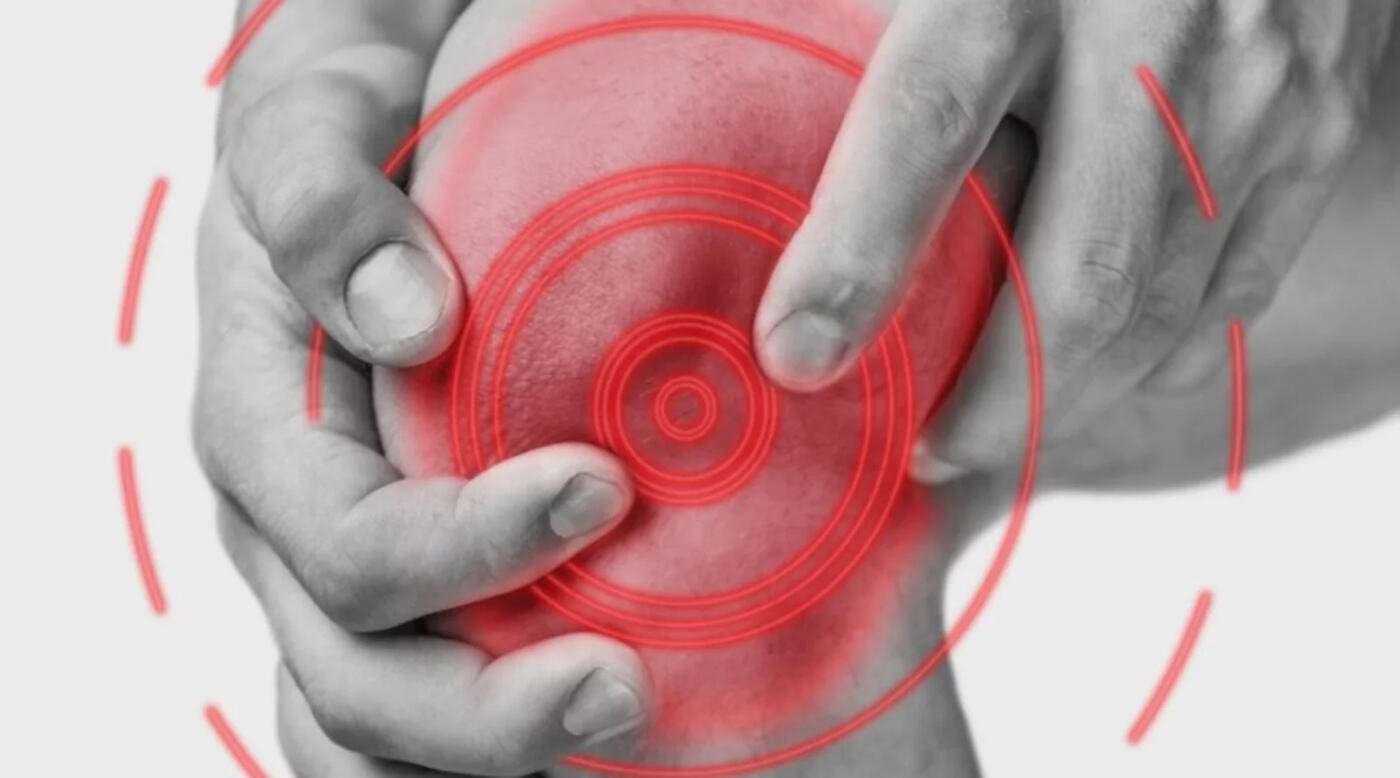
Living well with arthritis
Osteoarthritis is the most common form of arthritis in Australia. It often affects the knees, hips, hands and spine, causing pain, stiffness and difficulty with everyday activities. While it is common, osteoarthritis is not simply "wear and tear" that can only get worse. Exercise and education are recommended as first-line treatments, and many people see meaningful improvements in pain and function.
How physiotherapy helps
- A clear explanation of your condition and what you can do about it
- A tailored strengthening program to support painful joints
- Advice on staying active and managing flare-ups
- Hands-on treatment to ease stiffness where helpful
- Help with walking aids, braces and everyday activities
- Weight management support where relevant
Programs for arthritis
GLA:D® is an evidence-based education and exercise program for hip and knee osteoarthritis. Hydrotherapy uses warm water to make exercise more comfortable when land-based exercise is difficult. Our exercise physiologists can help you build and maintain strength over the long term.
Before and after joint replacement
If you are considering or waiting for a joint replacement, exercise beforehand can help your recovery. See our post-surgery rehabilitation page.
Rebates
No referral is needed. Private health rebates are processed on the spot through HICAPS, and you may be eligible for a Medicare care plan through your GP. We also see DVA clients.
Read our article Do you suffer from arthritis?, see knee pain and hip and knee pain, or book an appointment.
Common questions
Is exercise safe if I have arthritis?
Yes. The right kind and amount of exercise is one of the most effective treatments for osteoarthritis. We will help you start at a level that suits your joints.
Will arthritis keep getting worse?
Not necessarily. Symptoms often go up and down, and many people improve their pain and function with exercise and education.
Can physiotherapy help me avoid a joint replacement?
For some people, yes. Exercise-based programs like GLA:D® can reduce pain and improve function. If surgery is the right option, rehabilitation before and after it helps your recovery.
Information on this page is general and does not replace individual medical or physiotherapy advice. Your clinician will explain the most appropriate options after assessing you.