
"Should I get a scan?" is one of the most common questions we hear. It makes sense to want to see what is going on inside. But for many muscle and joint problems, a scan does not change the treatment, and it can sometimes cause more worry than it solves.
Scans often show changes that are not causing pain
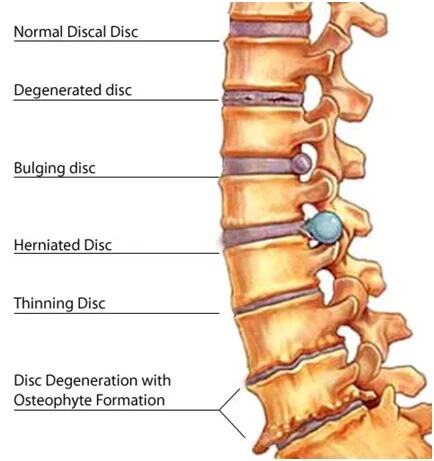
As we age, our spines and joints change, just like our skin gets wrinkles. A large review of scans of people with no back pain at all found disc degeneration in 37% of 20-year-olds and 96% of 80-year-olds, and disc bulges in 30% of 20-year-olds and 84% of 80-year-olds. Similar findings are common in shoulders and knees. These changes are often normal, and they do not necessarily explain your pain.
Words like "degeneration", "bulge" or "tear" on a report can sound alarming, and research shows they can make people more fearful of moving. That fear can slow recovery.
When a scan is useful
- Suspected fracture, for example after a fall or significant injury
- Red flag symptoms that could suggest a serious condition, such as unexplained weight loss, fever, a history of cancer, or loss of bladder or bowel control
- Worsening nerve symptoms, such as increasing weakness or numbness
- An acute injury where surgery may be needed, such as a suspected full rotator cuff tear or ACL rupture
- Symptoms not improving after a good period of appropriate treatment
- Planning an injection or surgery
Which scan?
- X-ray: best for bones, fractures and joint alignment, and for checking arthritis
- Ultrasound: useful for tendons and soft tissues close to the surface, like the shoulder, and for guiding injections
- MRI: detailed images of discs, nerves, cartilage, ligaments and tendons
- CT: detailed images of bone, sometimes used when MRI is not suitable
What we recommend
A thorough assessment by an experienced clinician is the best first step. In most cases we can make a clear working diagnosis from your history and a physical examination, and start treatment straight away. If we believe a scan will change your management, we will tell you which one and why, and work with your GP or specialist to organise it. If you already have a scan, bring the report and images to your appointment and we will explain what they mean for you.
Not sure what is going on? Book an assessment with our team. No referral is needed.
Information on this page is general and does not replace individual medical or physiotherapy advice. Your clinician will explain the most appropriate options after assessing you.