
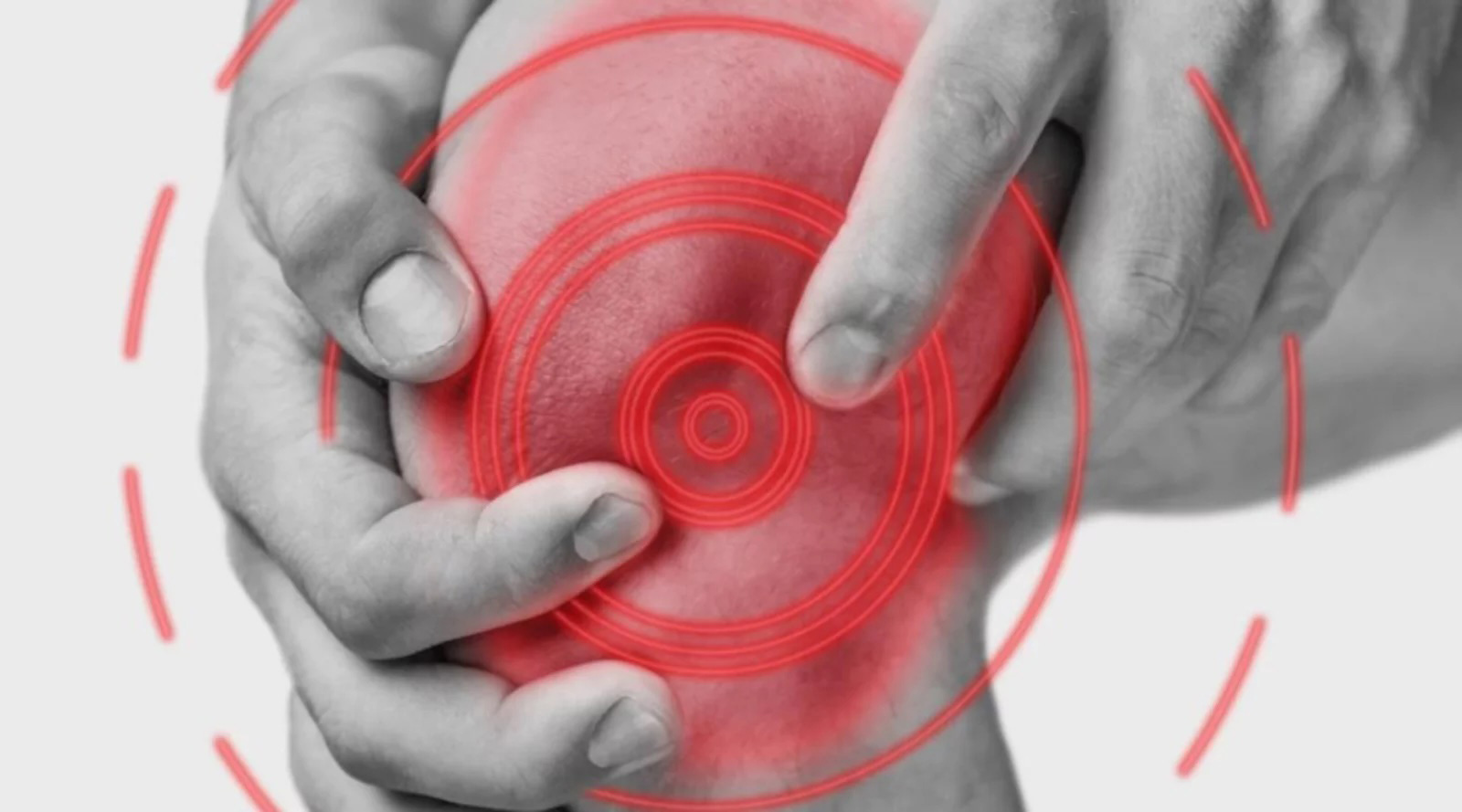
Arthritis is a condition characterized by stiffness and inflammation, or swelling, of the joints. It’s not one type of disease, but it’s a general way of referring to joint pain or joint diseases.
While you may only experience mild discomfort at the beginning of the condition, symptoms can worsen over time. They may eventually cause work limitations and affect your day to day. While your risk for arthritis can increase with age, it’s not limited to older adults. Furthermore, there are different risk factors associated with different types of arthritis.
1 in 6 Australians has arthritis. That’s 3.9 million people in the country.
There are over 100 different types of arthritis currently known. We will be talking about 2 main types osteoarthritis and rheumatoid arthritis. The most common type is osteoarthritis.
<hr />Osteoarthritis
OA is degeneration in the surfaces covering the joint – cartilage (which cushions the ends of bones at joints). Cartilage breakdown causes bones to rub against each other, which can cause pain and loss of movement. OA can range from very mild to very severe. It affects hands (especially physiotherapist’s thumbs!) and weight-bearing joints such as knees, hips, feet and the spine. Obviously, OA is more common in middle and older age groups, almost everyone over the age of 60 will have signs of OA on X-ray, and 1 in 3 will feel some associated symptoms, we don’t necessarily have to have OA pain at any stage in life.
Rheumatoid Arthritis
RA is an auto-immune disorder resulting in red hot and swollen joints in a number of locations around the body. Other symptoms of RA include, fever, anaemia, loss of energy and loss of appetite. This condition can occur in children (juvenile rheumatoid arthritis -JRA), but more commonly in adults.
What causes arthritis?
While there are many underlying factors which may contribute these are the most commonly associated factors with arthritis:
- Wear and tear
- Inflammatory
- Infection
- Metabolic
What increases your risk for arthritis?
Sometimes arthritis can occur with no known cause. But there are also factors that can increase your risk for all types of arthritis these may include: Age, Family history, Gender, Obesity & History of previous injuries.
The team at IntegratePHYSIO is dedicated to improving quality-of-life for all our patients living with arthritis through education, advice, exercise programs and hands on treatment.
Self-management strategies:
Some general recommendations as to how you can prevent arthritis include:
- Eating a Mediterranean-style diet. A diet of fish, nuts, seeds, olive oil, beans, and whole grains may help with inflammation. Decreasing your intake of sugar, wheat, and gluten may also help.
- Eating a diet low in sugars. Sugars can contribute to inflammation and gout pain.
- Maintaining a healthy weight. This reduces the demands on your joints.
- Exercising regularly. Physical activity can help reduce pain, improve mood, and increase joint mobility and function.
- Refraining from smoking. The habit can worsen autoimmune disorders, and is a major risk-factor for rheumatoid arthritis
- Seeing your doctor for yearly check-ups. Remember to report any symptoms that may be related to arthritis.
- Wearing proper protective equipment. When playing sports or doing work, protective equipment can help prevent injuries.

More from our blog
Explore practical advice and insights from our team

Knee and ACL Injuries

Pelvic Girdle Pain in Pregnancy