
In the field of physiotherapy, two needling methods often come up – Dry Needling and Acupuncture. These two techniques might both involve needles, but they differ in their origins, goals, and uses. Let’s explore the differences more in-depth.
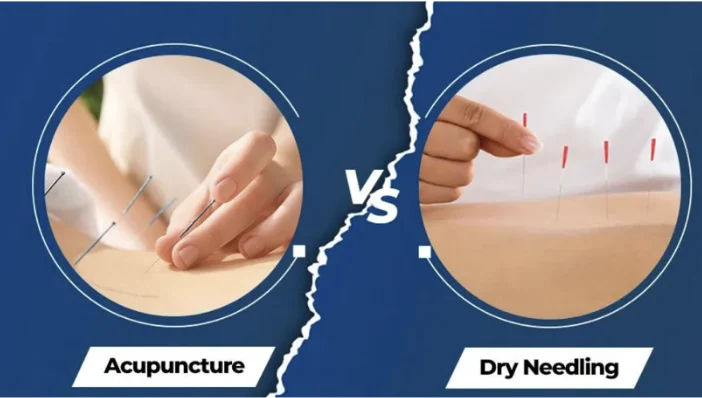
Dry Needling
This method includes penetrating the skin with needles that are aimed at altered or dysfunctional tissue. It’s regularly used to needle muscle trigger points to achieve reflexive muscle relaxation.
Western Acupuncture
This technique adopts traditional needling meridians and trigger points but is adapted to Western anatomy. It aims to create local tissue changes, as well as effects in the spine and brain to provide pain relief and improve muscle function. However, Western acupuncture is not seen as a traditional Chinese medicine practice.
Traditional Acupuncture
This practice finds its roots in traditional Chinese medicine. It includes the use of meridian lines and points that are based on traditional evaluation methods.
Safety Standards
Physiotherapists who are trained in either acupuncture or dry needling adhere to safety standards. These standards are regulated by the Australian Health Practitioners Regulatory Agency and Physiotherapy Registration Board. They include mandatory training levels, registration, and safety measures for the protection of the public.
Side Effects
- Minor side effects can include pain, bleeding, or bruising from the needle insertion (common).
- Major adverse events such as pneumothorax or excessive bleeding are rare.
- Escape the dizzying disturbances of vertigo and reclaim your life with the assistance of our team of expert physiotherapists. We are here to guide you towards improved balance and a life free of symptoms.
Contact our Team
Now that you have gauged an understanding of dry needling and Acupuncture, Schedule your personalized pain relief session today. Join us in a collaborative effort to discover your balance and envision a life without dizziness.
References
- Hing, W., & McCutcheon, L. (2022). Physio ‘dry needling’ and acupuncture – what’s the difference and what does the evidence say? In Daily Maverick. Daily Maverick.

More from our blog
Explore practical advice and insights from our team

Knee and ACL Injuries

Pelvic Girdle Pain in Pregnancy